The Journal
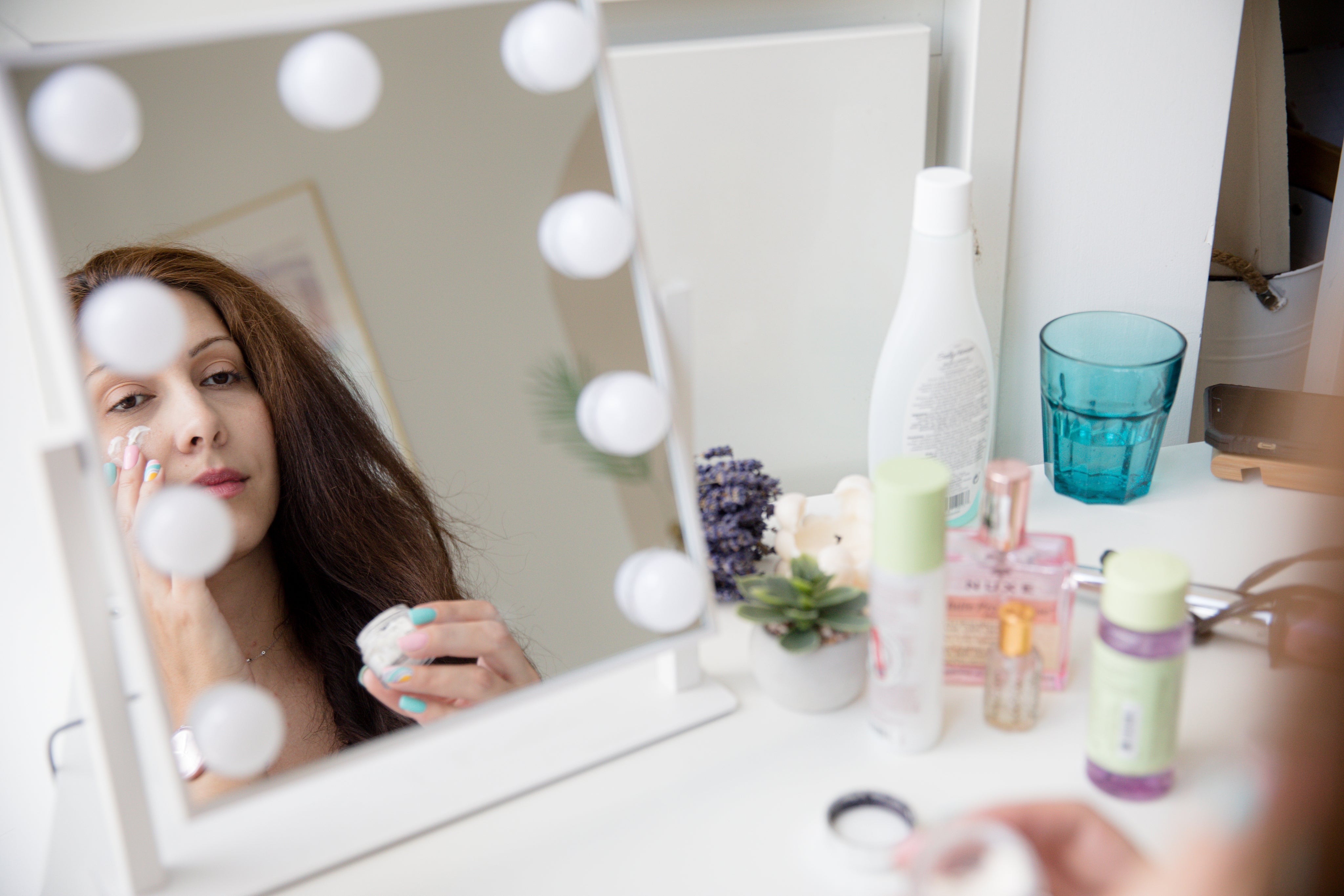
La Guía Honesta para Lavar el Cabello Hispano (De Dos Dermatólogos)
Una guía en lenguaje sencillo de un dermatólogo certificado sobre cómo cuidar el cabello hispano — qué funciona, qué no, y con qué frecuencia lavarlo. Más los ingredientes que buscamos y los que evitamos.
Aprende más
What You Eat Shows Up on Your Skin and Hair: The Mediterranean Diet, Reviewed
A board-certified dermatologist's plain-English breakdown of how the Mediterranean diet affects skin aging, acne, and hair density — and how to translate it into the food you already eat.
Aprende más
The Role of Diet in Skin and Hair Health: Essential Foods for Colder Weather
As the weather turns colder and the sun's rays become less frequent, it's essential to pay extra attention to our skin and hair health. Nutrition plays a pivotal role in maintaining the vitality of both, and incorporating the right foods can make all the difference. Here’s how diet impacts skin and hair health, along with some of the most nourishing foods to incorporate during the chilly months. How Nutrition Affects Skin and Hair The skin and hair are often reflections of our overall health. A balanced diet provides essential nutrients that support cellular repair, hydration, and growth. Here are a few key ways nutrition impacts skin and hair: Hydration: While you might think of hydration in terms of drinking water, it’s also about what you eat. Foods with high water content can help maintain skin moisture. Nutrient Supply: Vitamins, minerals, and antioxidants from our diet protect against oxidative stress and support collagen production, essential for skin elasticity and hair strength. Fatty Acids: Omega-3 and Omega-6 fatty acids are vital for maintaining the skin barrier and promoting healthy hair growth. Foods to Incorporate for Better Skin and Hair Health As the temperatures drop, consider adding these nourishing foods to your diet: 1. Fatty Fish Fish like salmon, mackerel, and sardines are rich in Omega-3 fatty acids, which help keep your skin hydrated and support scalp health. Aim to include these in your meals at least twice a week. 2. Nuts and Seeds Walnuts, flaxseeds, and chia seeds are excellent sources of Omega-3s, as well as zinc and vitamin E, which are crucial for skin health. Snack on a handful of nuts or add seeds to your smoothies and salads. 3. Sweet Potatoes Packed with beta-carotene, sweet potatoes help protect your skin from sun damage (even in winter) and promote a healthy glow. Roast them, mash them, or add them to soups for a comforting dish. 4. Avocados Rich in healthy fats and vitamins C and E, avocados help maintain skin elasticity and provide hydration. Enjoy them in salads, on toast, or blended into smoothies. 5. Leafy Greens Spinach, kale, and other greens are loaded with vitamins A, C, and K, which promote skin healing and hair growth. Include a variety of greens in your diet through salads, smoothies, or as side dishes. 6. Berries Berries like blueberries, strawberries, and blackberries are high in antioxidants, which protect skin cells from damage and promote collagen production. Snack on them fresh or add them to yogurt or oatmeal. 7. Citrus Fruits Oranges, grapefruits, and lemons are high in vitamin C, which is vital for collagen synthesis. Start your day with a glass of fresh orange juice or add lemon to your water for a refreshing boost. As colder weather approaches, don’t forget that your diet can significantly impact the health of your skin and hair. By incorporating these nutrient-rich whole foods into your daily routine, you can maintain a radiant complexion and strong hair even during the winter months. Remember, a little bit of nourishment can go a long way toward looking and feeling your best! Stay cozy and healthy this season! DID YOU ENJOY THIS ARTICLE? Make sure to like, comment, and share! Message our team for any topic requests Happy Reading! -Dr. Del Campo
Aprende más
Top 5 Skin Care Tips from a Board-Certified Dermatologist
It's time to get started on a skincare routine — and don't let the fact that you already have a current routine stop you from trying something new. Whether you're currently incorporating a 10 step skincare routine or keeping it simple with SPF and moisturizer, everyone wants one thing when they start their skincare routine: healthy, shiny skin. With ongoing trends, skincare routines have gone from three to five to twelve steps needed to achieve radiant skin. This week, I'm giving you five simple skincare steps to incorporate in your daily regimen to achieve glowing skin. Before we begin.. Do you know your skin type? Hydration level? Sensitivity? Young skin, mature skin, super-sensitive skin? I'm sure you know if you have dry or oily skin. Note that the most important factor in skincare is knowing your skin. What works for some may not work for others. Start with a list of symptoms you experience with your skin. Are you acne prone? Prone to dry skin? Remember to seek a board-certified dermatologist at least once a year to ensure you are taking adequate steps to take care of your skin. 1. Cleanse The key to clear and glowing skin lies in proper cleaning. And not just any type of cleaning will do, but deep and plentiful cleansing that leaves your skin feeling smooth and moisturized.The first step to a great cleanse is choosing the right cleanser. Take a moment at the end of your day to thoroughly wash your face. Keep it simple with a simple cleanser that won't tangle your pores with harsh chemicals and you won't regret it. If you are acne prone, search for a cleanser with Benzoyl Peroxide, an active ingredient made to penetrate pores, fight off bacteria, and remove excess oil. If you have dryer skin, seek a hydrating cleanser with a foam or cream base. Use a cleanser at least once a day, preferably at night. 2. Hydrate The secret to smooth, soft skin has always been a great moisturizer. When it comes to our face, lips, or hands, the greatest defense against fine lines and wrinkles is a good moisturizer. Moisturizers work with our skin barrier to maintain hydration. With every application, moisturizer provides lipids to restore water and oil balance, protecting our skin from external chemical stressors. I highly recommend investing in a high quality moisturizer that will help your skin provide its natural defenses against life's wear and tear. Seek hypoallergenic moisturizers with hyaluronic acid. 3. Wear SPF The best skin protection isn't an anti-aging cream or top-shelf face moisturizer — it's a good layer of sunblock. The sun's rays can be harmful to your skin. It's important to use a sunscreen with SPF to protect your skin from aging, wrinkling, and cancer. Make sure to incorporate SPF into your daily routine and to reapply every two hours. Seek SPF 35 and above for best results. 4. Keep it Simple The very notion of skin care may make you think about all the potential steps you need to take to become the best version of yourself. Products you should use, products that actually work and products that don't. I mean, there are so many products out there that it can get mind-numbing, making sense of which ones to buy and which ones to avoid. Less is more. Avoid the 17 steps of toners, serums, creams, and ointments. Layering products can stress your skin. Start with simple steps and increase if needed. You’ll avoid over-drying and over-stripping of your skin's natural oils. Keep your skincare routine simple and stick to it – consistency is the key to great skin! 5. Use a Retinoid Last but not least- Incorporate a retinoid every night. A retinoid is vitamin A derivative that not only helps reduce the signs of natural aging, but can also help repair sun damage on the skin. Retinoids have been shown to reduce the appearance of fine lines and wrinkles, smooth the skin and even the tone. These 5 skincare tips should help you care for your skin. But the most important thing is to remember to be patient with your skin, as there are no overnight fixes for smoother, healthy skin. It takes time, but you can make it happen over time. DID YOU ENJOY THIS ARTICLE? Make sure to like, comment, and share! Message our team for any topic request Happy Reading! -Dr. Del Campo
Aprende más
Sleeping Beauty: How Does Sleep Aid in Your Skin Health?
Ever wake up after a good night's sleep feeling refreshed, clear-headed, and noticing that your skin looks especially radiant? It’s no coincidence. Sleep plays a critical role in our overall health, helping our brains reset and our skin rejuvenate. This week, we’re diving into why sleep is so essential for healthy skin. Let’s explore! Why Sleep is Essential for Skin Health Sleep is vital for maintaining proper bodily functions. The National Sleep Foundation recommends that adults aged 18 and above get at least 7 hours of sleep each night. Adequate sleep reduces the risk of heart disease, strengthens your immune system, and even sharpens memory. But did you know that sleep is just as crucial for the health of your skin—the largest organ in your body? When you don’t get enough sleep, it shows on your skin. You may notice dark under-eye circles, dryness, and you might even get that dreaded “You look tired” comment. We’ve all been there. But what’s really happening beneath the surface? The Science Behind Beauty Sleep During sleep, your body increases the production of growth hormone, which plays a key role in cell repair and muscle growth. Additionally, sleep helps regulate stress hormones, which can significantly impact your skin’s appearance. High levels of stress hormones are linked to skin issues like irritation, acne breakouts, inflammation, and premature aging. Skimping on sleep reduces the time your body has to repair itself, leading to visible signs of wear and tear on your skin. Beyond Sleep: The Power of a Good Skincare Routine While sleep is essential, pairing it with a solid skincare routine can work wonders for your complexion. One key aspect is combating transepidermal water loss (TEWL), which happens when your skin loses moisture overnight, especially if you don’t have a protective layer of moisturizer. TEWL occurs when water evaporates from the skin’s surface, leading to dryness and dehydration. To counteract this, we recommend applying a ceramide and hyaluronic acid-rich moisturizer before bed (like our Real Deal Cream—wink, wink). These ingredients help strengthen your skin barrier, keeping it hydrated and reducing the chances of waking up with dry, lackluster skin. A good night's sleep paired with a nourishing moisturizer might just have you feeling like Sleeping Beauty herself—refreshed, hydrated, and glowing. Want to Step Up Your Skincare Game? Consider consulting with a board-certified dermatologist to start using a retinoid. Retinoids are a dermatologist's secret weapon, stimulating collagen production, minimizing wrinkles, encouraging cellular turnover, and treating hyperpigmentation. They can be a game-changer for your skin. In the meantime, focus on cultivating a healthy sleep routine to boost not only your skin health but also your mood and metabolism. With the right amount of rest and care, you’ll be one step closer to feeling like Sleeping Beauty every day! Have a great week, everyone!
Aprende más
The Best Way to Wash your Hair according to Los Doctores Cubanos
With so much information on the internet, it can be hard to tell the difference between good and bad haircare advice. Should I shampoo or condition first? Is hot water or cold water better? Where should I be applying products? At Los Doctores Cubanos, our team is dedicated to providing honest and medically-backed haircare advice so that you can learn how to get healthy, beautiful, hair without the hassle. Ready to wash your hair? Let’s get started!
Aprende más
Sunscreen: Chemical vs. Physical
Ever wondered how your sunscreen shields you from those harsh UV rays? Let’s break it down! Chemical Sunscreens Chemical sunscreens are packed with organic compounds like avobenzone and oxybenzone. These ingredients work by absorbing UV radiation and turning it into harmless heat. Here’s what you need to know about chemical sunscreens: Easy Application: Thanks to their lightweight, blendable texture, chemical sunscreens are easy to apply. Transparent on Skin: They usually go on clear, so no need to worry about a white cast. Water-Resistant Formulations: They often provide better water resistance than mineral sunscreens, making them ideal for outdoor activities and swimming. Keep in mind, chemical sunscreens need some time to absorb into your skin before they become effective. Physical Sunscreens Meet the minerals! Physical sunscreens, containing zinc oxide and titanium dioxide, form a protective barrier on your skin, reflecting and scattering UV rays away. Here’s what makes physical sunscreens stand out: Good for Sensitive Skin: They’re less likely to cause irritation, making them perfect for sensitive skin. Immediate Protection: They start working as soon as they’re applied—no waiting necessary. Great for Acne-Prone Skin: These sunscreens are less likely to clog pores, making them a good option for people with oily or acne-prone skin. However, they might leave a subtle white cast and have a thicker texture. The Bottom Line Both chemical and physical sunscreens offer broad-spectrum protection. Your choice depends on your skin type and lifestyle. Whether you prefer the clear finish of chemical sunscreens or the instant protection of physical ones, the best sunscreen is the one you’ll use consistently. Stay protected and enjoy the sun safely!
Aprende más
Sun-Kissed but Not Sun-Damaged: How to Protect Your Hair from Summer’s Rays
Summer: the Season We’re Not Ready to Say Goodbye To Waking up to a sun-kissed sky, savoring a cold iced coffee, and taking a leisurely stroll around the city block—summer's charm is hard to resist. But with that radiant sunshine comes a little-known concern: sun-kissed hair. As the heat intensifies, it’s essential to keep your hair smooth and silky. While we’re all familiar with UV damage to our skin, did you know that the sun can affect your hair too? Let’s dive into how you can protect your tresses and keep them looking their best. Can the Sun Damage My Hair? Yes, it can. UVA and UVB rays can harm the outer layer of your hair shaft, known as the cuticle. Extended sun exposure can result in sun-damaged hair, which may manifest in several ways. Often, this damage feels similar to overusing heat styling tools like straighteners, curlers, or blow dryers. This means your hair might become dry, brittle, and prone to frizz, with an increased risk of breakage and split ends. Sun-damaged hair typically appears dry and unmanageable, making it challenging to style. Additionally, the sun’s rays can alter your hair color in an unintended way, acting almost like a bleach. This damage affects the hair’s cuticle and the protein keratin, which can deplete the melanin and affect your hair's natural color. How to Protect Your Hair This Summer Don’t worry—there are plenty of ways to shield your hair from the sun’s damaging effects. Here are some tips to keep your locks looking and feeling fabulous: Wear a Hat: Protect your hair from direct sunlight by donning a stylish hat or scarf. Use UV Protection Products: Opt for hair care products with UV filters to help safeguard your strands from sun damage. Hydrate and Condition: Incorporate moisturizing conditioners and nourishing hair masks into your routine to maintain hydration and health. Avoid Excess Heat: Minimize the use of heat styling tools to reduce stress on your hair. Rinse After Swimming: After swimming in chlorine or saltwater, rinse your hair with fresh water to remove any harmful residues. With these simple tips, you can enjoy the rest of summer while keeping your hair vibrant and healthy. Here’s to making the most of sunny days with beautiful, well-protected hair! 🌞
Aprende más
Transitioning Your Skincare Routine from Summer to Fall: Key Tips for Healthy Skin
As summer fades and fall approaches, your skin’s needs change with the seasons. The transition from hot, sunny weather to cooler temperatures can impact your skin in various ways. To help you navigate this shift and keep your skin glowing and healthy, here are some essential tips for adjusting your skincare routine. 1. Repairing Sun Damage Summer sun can leave your skin with damage such as sunspots, pigmentation changes, and increased dryness. Start with a Gentle Cleanser: Switch to a mild, hydrating cleanser that removes impurities without stripping moisture. Incorporate Vitamin C: Vitamin C serums can help reduce hyperpigmentation and brighten your skin. Consider Retinoids: Retinoids promote cell turnover and can help diminish sunspots and fine lines. Start slowly and consult your dermatologist for recommendations. 2. Boosting Hydration Cooler temperatures and indoor heating can dehydrate your skin, making it essential to increase moisture levels. Switch to a Richer Moisturizer: Opt for creams or oils with ingredients like hyaluronic acid, glycerin, and ceramides to lock in hydration. Don’t Forget Your Lips: Use a nourishing lip balm to prevent chapped lips during the fall 3. Exfoliating Wisely Exfoliation helps remove dead skin cells that can accumulate, but over-exfoliation can irritate your skin. Choose the Right Exfoliant: Opt for gentle exfoliants (like our Arctic Clay Mask in combination with our Brightening Cleanser) rather than harsh physical scrubs. Exfoliate 1-2 Times a Week: Adjust based on your skin’s sensitivity and needs. Follow with Moisturizer: Always apply a hydrating product post-exfoliation to soothe and replenish your skin. 4. Continuing Sun Protection Even though the sun isn’t as intense, UV rays can still affect your skin during fall and winter. Use Broad-Spectrum Sunscreen: Choose a sunscreen with at least SPF 30 and apply it daily, even on cloudy days. Look for Additional Benefits: Consider sunscreens with added antioxidants to protect against environmental damage (like our Ultra Rejuvenating Repair Serum!) 5. Exploring Fall Skincare Products The change in season is a great opportunity to introduce new products into your routine. Consider a Richer Serum: Look for serums with ingredients like peptides or hyaluronic acid that provide deeper hydration and repair. Invest in a Humidifier: Adding moisture to the air can help prevent your skin from becoming dry and flaky. Transitioning your skincare routine from summer to fall is all about adapting to new environmental factors and maintaining a balanced, healthy complexion. By focusing on sun damage repair, boosting hydration, gentle exfoliation, and continued sun protection, you can keep your skin looking its best as the seasons change. Embrace the new season with a refreshed skincare approach and enjoy the fall with radiant, healthy skin!
Aprende más